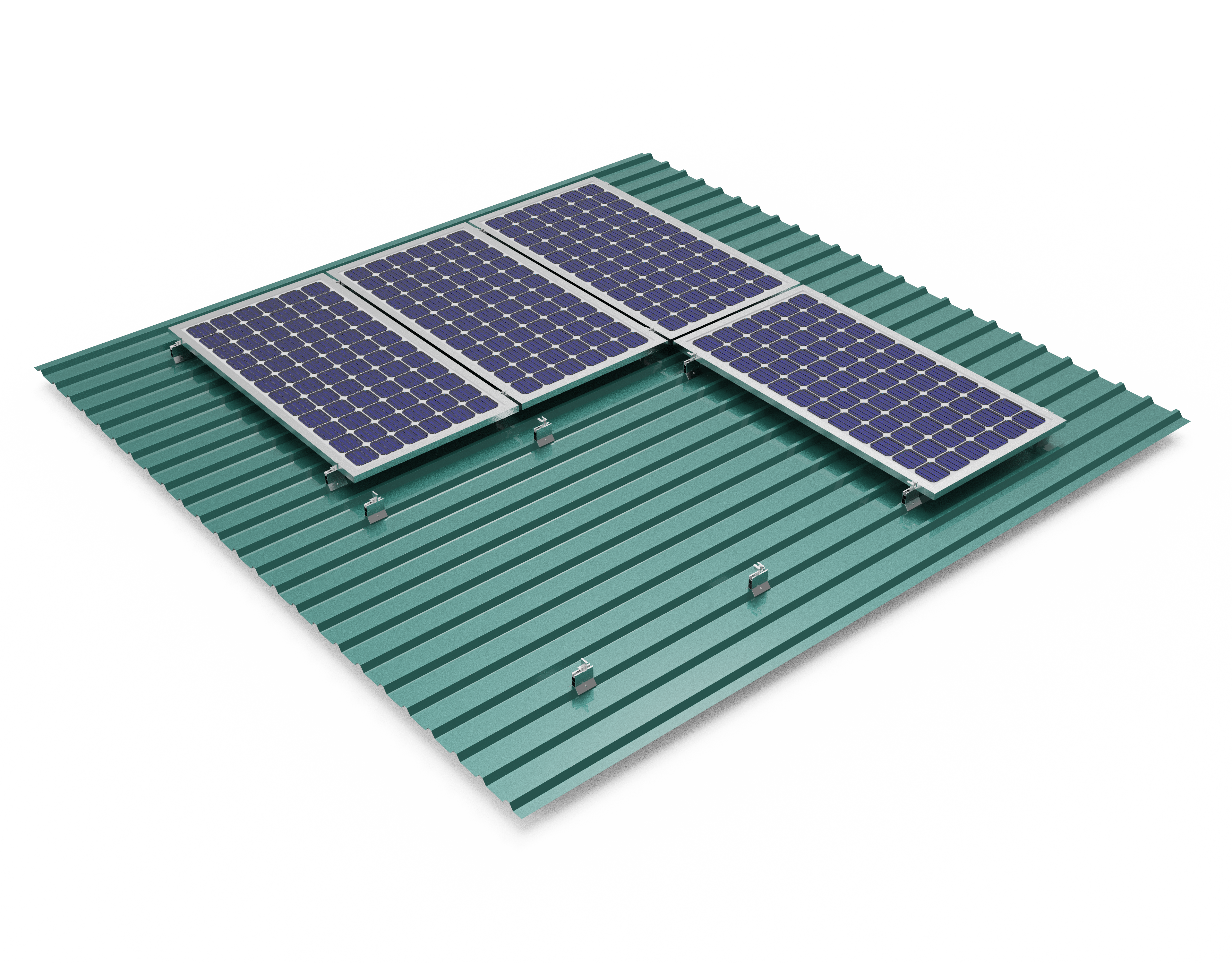
Solar Mounting Systems on Trapezoidal Roofs  

Solar Mounting Systems on Trapezoidal Roofs  

Solar Mounting Systems on Trapezoidal Roofs  

 I. Trapezoidal Mounting System Types 


There are two main types of trapezoidal mounting systems: clamp systems and insertion systems.

A. Clamp systems

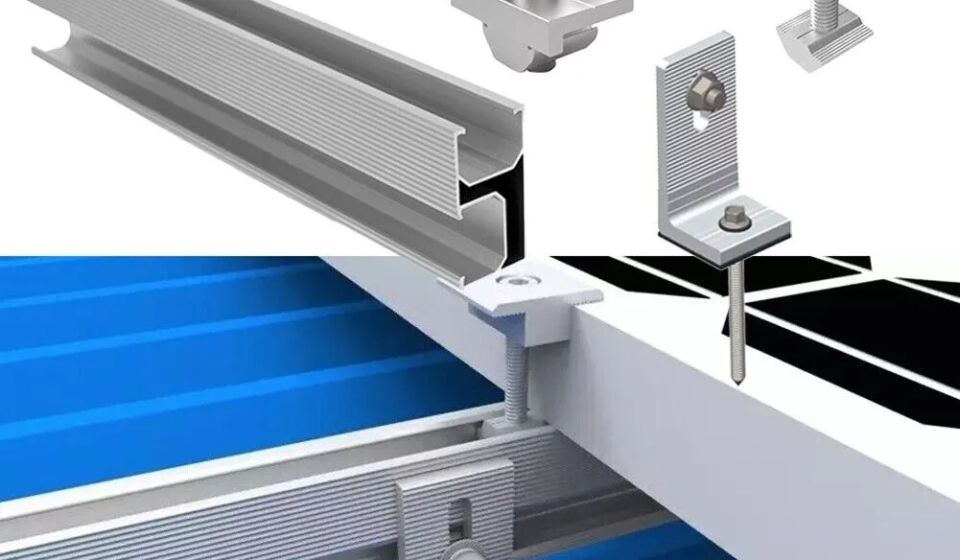
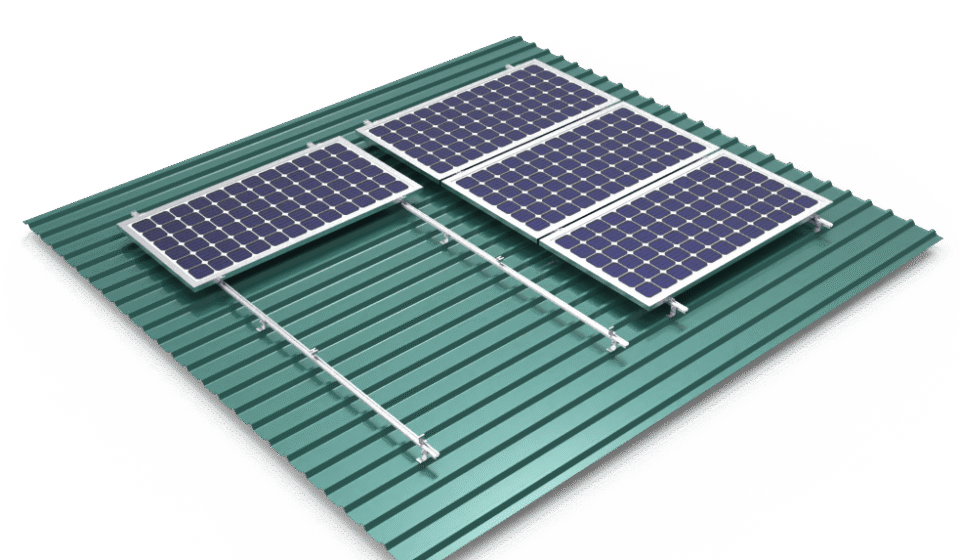
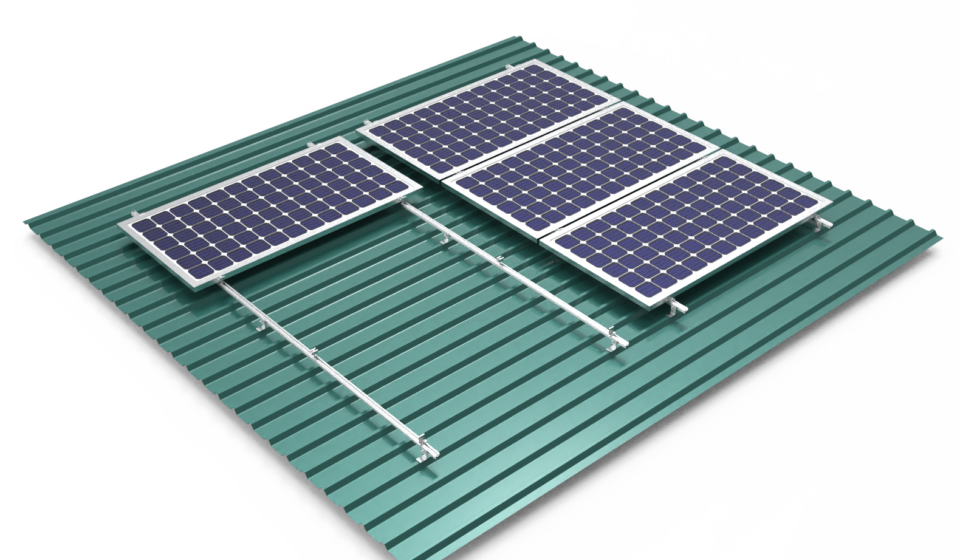
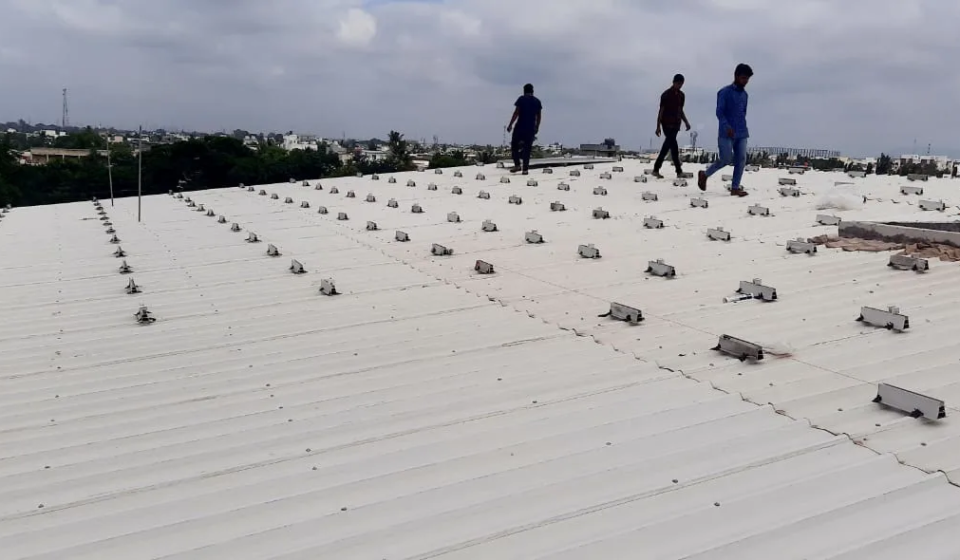
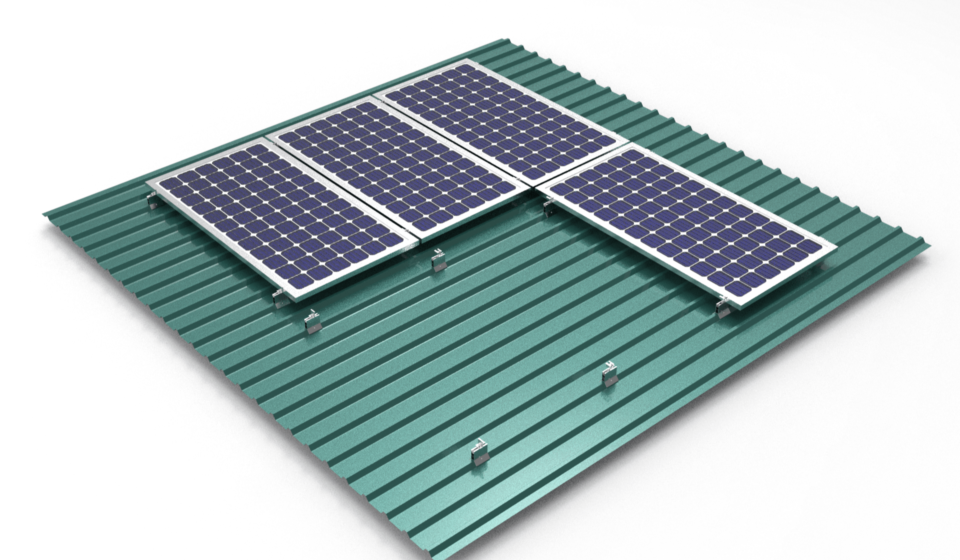
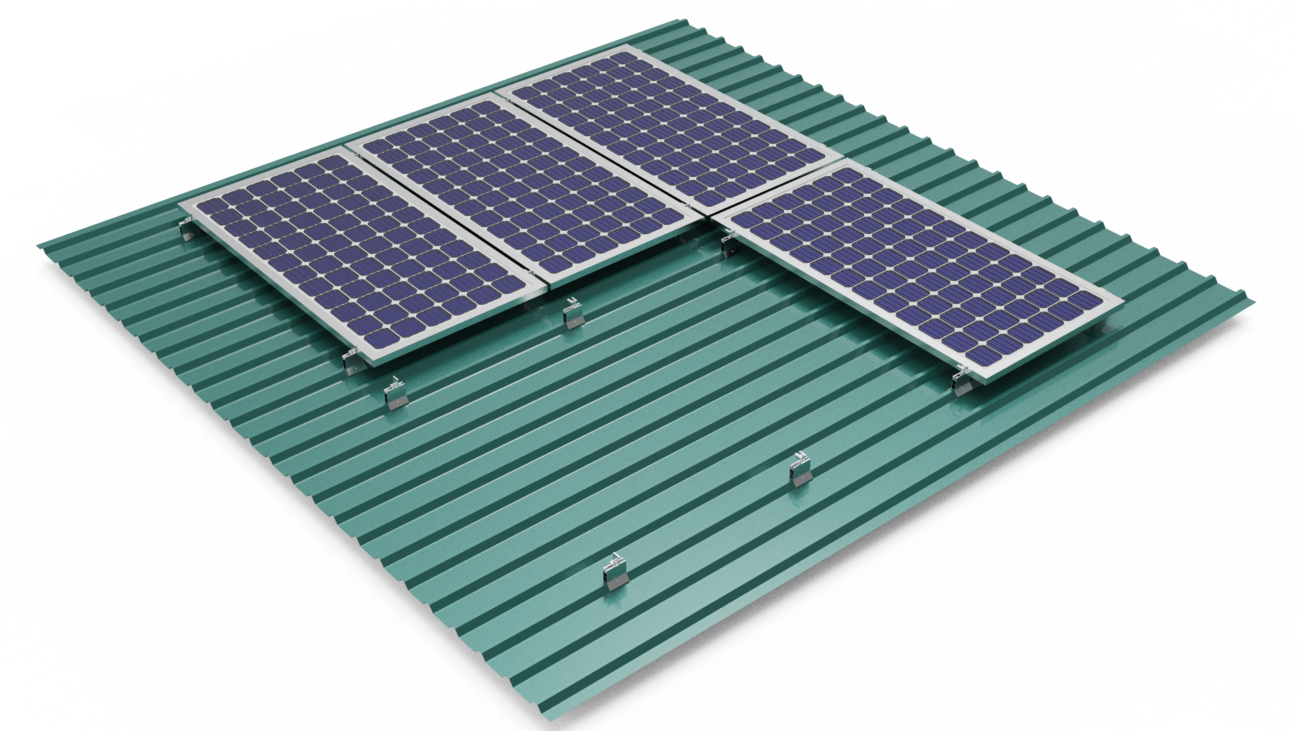
In trapezoidal mounting system clamp systems use short rail lengths, normally aluminium are secured directly to the roof surface with screws or rivets. The solar panels are then clamped onto these rails using panel clamps.

Benefits:

  • Cost-effective
  • Easy to install
  • Well-suited for portrait panel orientation

Considerations:

  • Ensuring water tightness with the screw/rivet seals
  • Accounting for varying sheet thickness with fastener pull-out strength

B. Insertion systems

In trapezoidal mounting system insertion systems use long rail profiles with built-in channels that are the modules frames slide into. These rails are also attached directly to the roof.

Benefits:

  • Fast snap-in module installation
  • No need for separate panel clamps

Considerations:

  • Allowing proper rear ventilation
  • Typically better suited for landscape panel orientation

So as per the result our clamp systems are directly attach panel on clamp to short rail pieces, while insertion systems utilize long rails that modules insert into. Both have pros and cons to weight based on factors like cost, performance, and easy for installation.

II. Components

The main components of trapezoidal solar mounting systems are:

  • Rails: Used to securely mount solar panels, available in various lengths and shapes such as short rails or long insertion rails. Typically made of aluminium.
  • Brackets: Attached rails to the trapezoidal roof structure. Often feature are rubber seals to ensure water tightness.
  • Screws: Special ER-U-S5.5X25-S12 screws fasten brackets to roof. Need proper gauge and thread design to account for varying sheet thickness and pull-out strength requirements.

Additional accessorie include:

  • Panel clamps: Hold panels onto short rail clamp systems.
  • Custom mounting kits: Full kits with all trapezoidal mounting components.
  • Drive tool accessory: Assists screws installation for certain systems.

In our trapezoidal mounting system the proper selection of ethes components is key for secure, high-performing, cost-effective trapezoidal solar panel installations.

III. Considerations

There are a few key considerations when selecting and installing trapezoidal solar mounting systems:

Water Tightness

  • Use rail seals, screw washers, bracket seals to prevent leaks
  • Penetrations through roof must be properly sealed

Sheet Thickness-

  • Varies widely (0.4mm – 0.7mm)
  • Affects fastener pull-out strength
  • May require adjusting screw type/number

Panel Orientation

  • Portrait = shorter horizontal rail spans
  • Landscape = cheaper vertical rails
ThicknessPull-Out Strength
0.5mmLower
1.0mmHigher

Careful attention in these areas ensures:

  • Waterproof roof integrity
  • Secure mounting system under wind/snow loads
  • Optimized system cost and performance

IV. Clamping systems
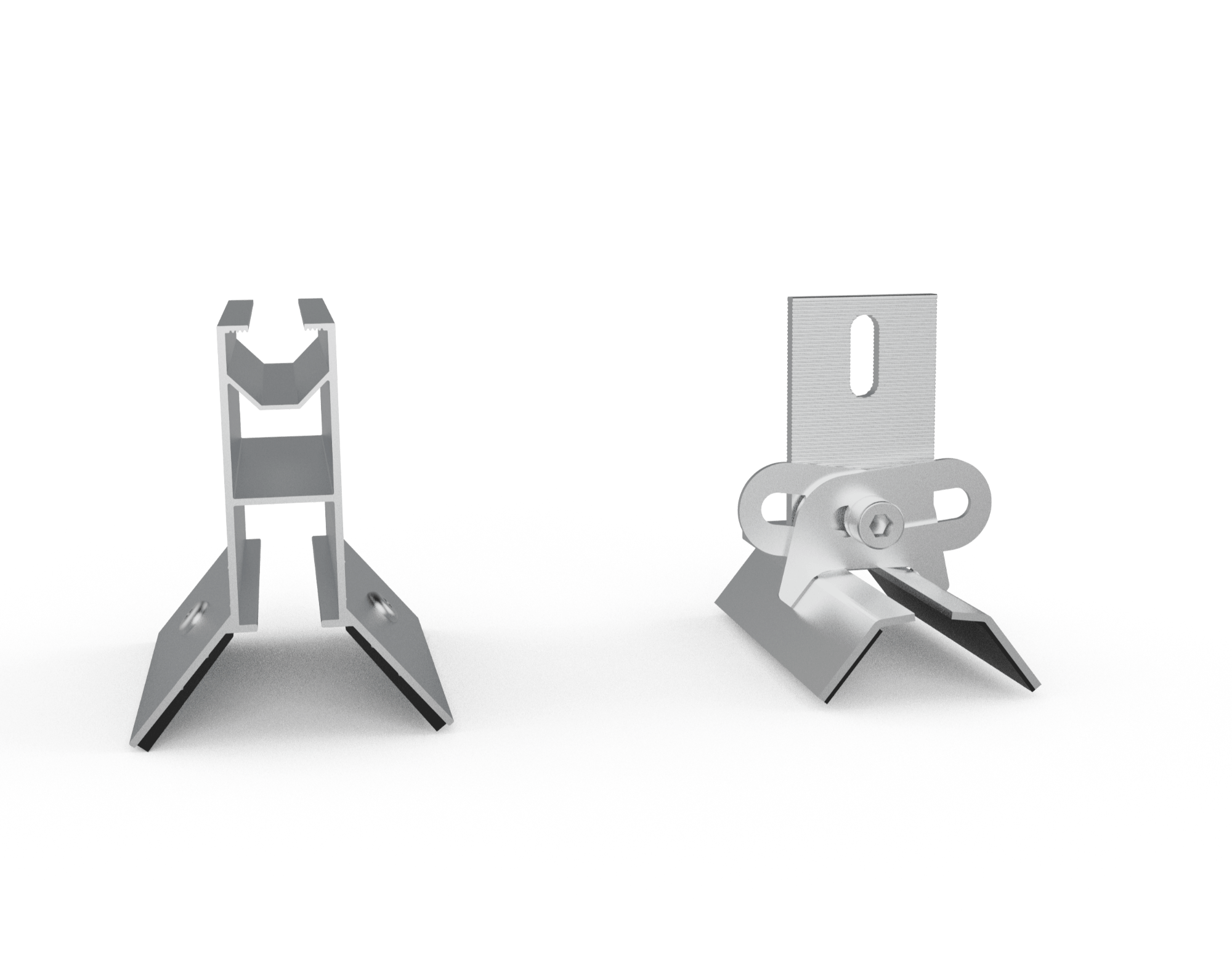
Clamping systems

Clamping systems are a common in trapezoidal mounting solution consisting of:

  • Short rails
  • Pre-assembled aluminium profiles
  • Attached directly to roof
  • Panel clamps
  • Grip module frame
  • Allow for thermal expansion

Benefits:

  • Preassembled – faster installation
  • Less rails – lower cost
  • Short rails – easy to handle

They secure modules directly to the roof, eliminating the need for long rails.

Some key points:

  • Attach rails with screws/rivets
  • Use neoprene washers to ensure water tightness
  • Adjust rail length based on crown spacing
  • Account for sheet thickness with fastener type and number

With smart design choices, these economical systems can be quickly mounted while keeping the roof sealed and secure.

V. Insertion systems

In trapezoidal mounting system the “Insertion systems” use long aluminium rail profiles with built-in channels that module frames slide and “insert” into.

Benefits:

  • Fast snap-in module installation
  • Clean aesthetics (no visible clamps)
  • Allows both portrait and landscape orientation

Considerations:

  • Ensure proper rear ventilation
    • Use spacer blocks or slight tilt
  • Allow for thermal expansion
    • Slot size matches frame thickness
  • Span spacing between trapezoid crowns
    • Rail length > crown spacing

Slight elevation angles can also improve performance:

  • Increased yield
  • Enhanced self-cleaning
  • Better rear ventilation

VI. Customized Mounting kits
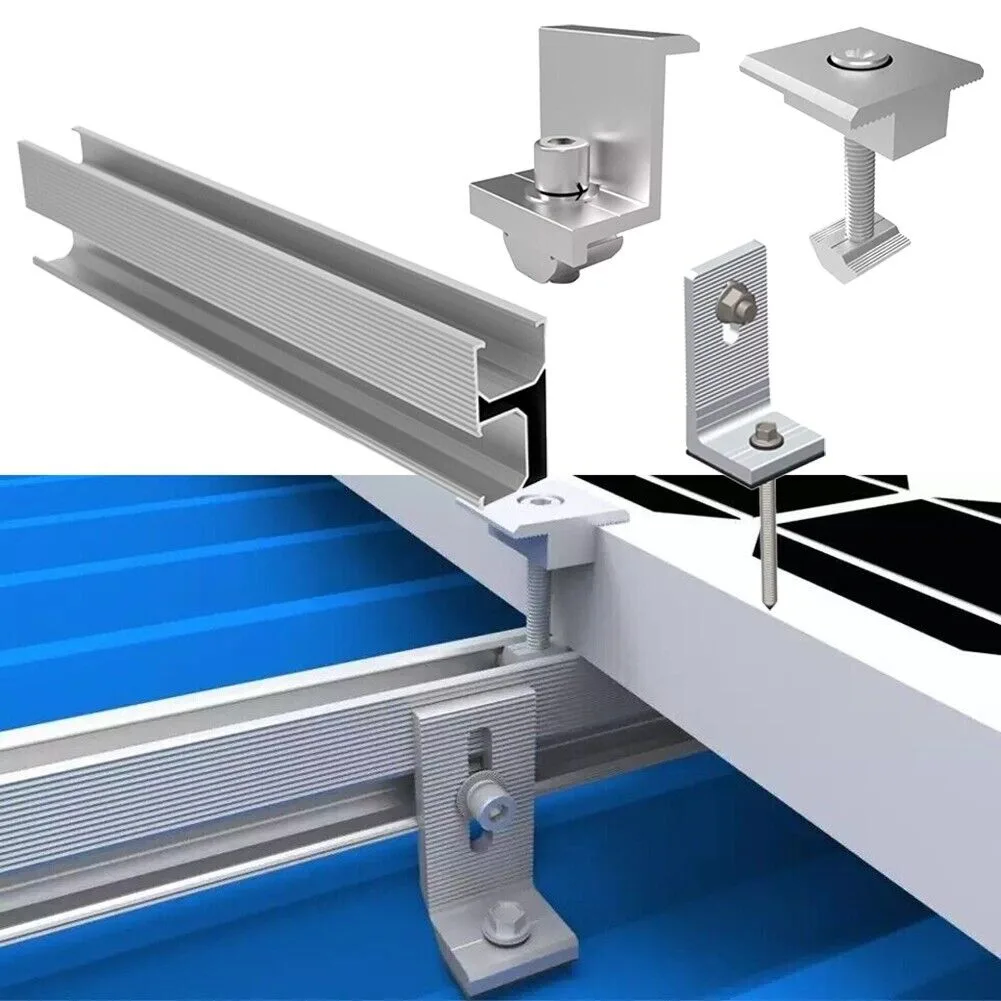
Customized Mounting kits

In our trapezoidal roof installations, customized mounting kits bundle all the necessary components in one package:

  • U-Support brackets
  • ER-U-S5.5X25-S12 screws
  • FR Drive tool accessory
  • Rails (if needed)
  • Seals/washers
  • Cable parts

Benefits:

  • Simple ordering/inventory
  • Perfectly matched components
  • Optimized for specific projects

For example, the Trapezoidal system uses just in 3 main parts:

  1. U-Support bracket
    1. Lightweight aluminium
    1. 20mm wide base for all profiles
  2. Special screw
    1. Twin asymmetric thread
    1. Range of sheet thickneses
  3. FR Drive tool
    1. Speeds installation
    1. Prevents overdriving

This streamlined approach simplifies and speeds mounting:

  • Only 2 min per PV module
  • No concerns over expansion joints
  • Significantly reduces cost

The key with any kit is ensuring it meets the needs – sheet thickness, panel layout, wind/snow loads. Prefabbed for rapid mounting. Fully customized for your trapezoidal rooftop.

VII. U-Support Brackets
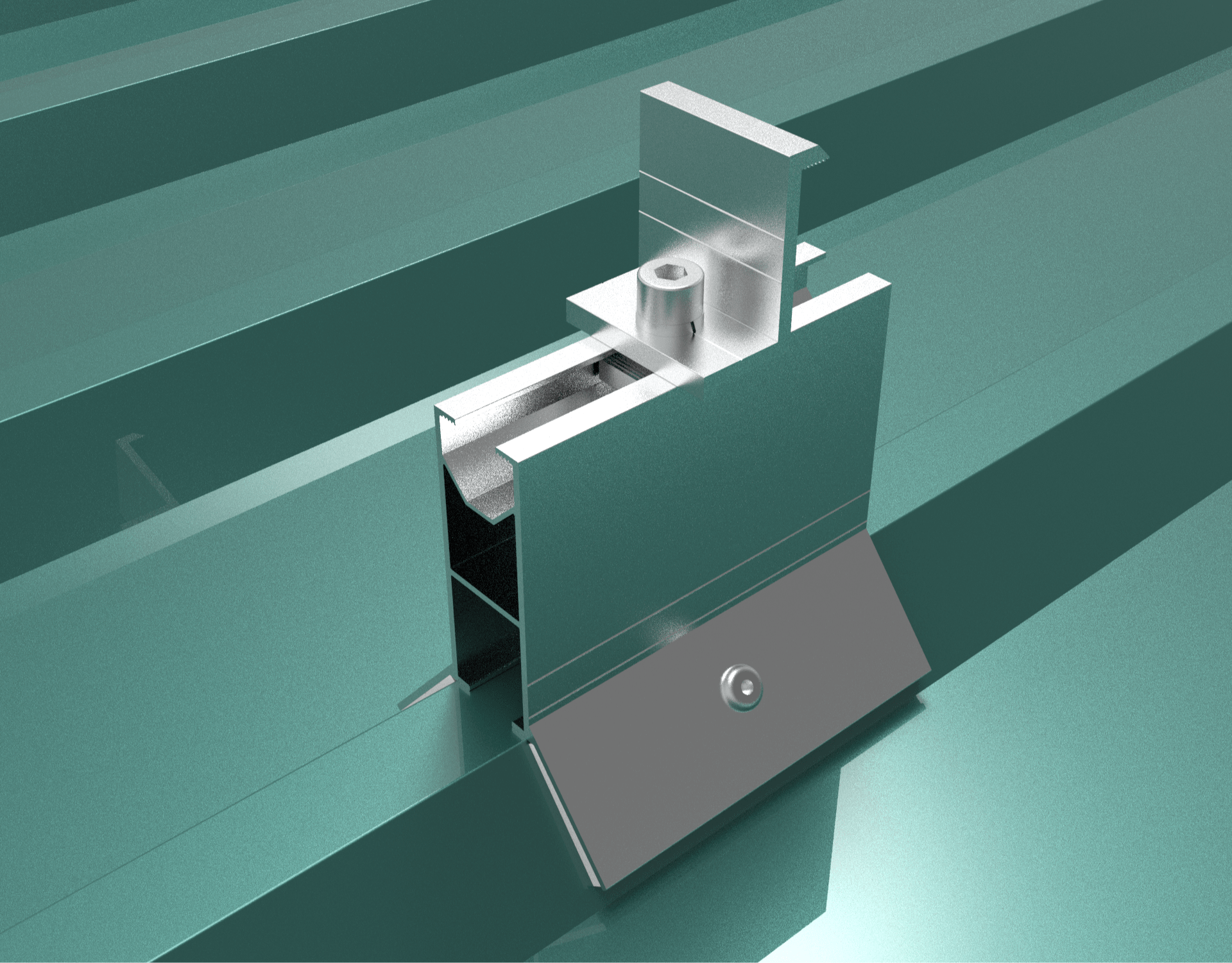
U-Support brackets

U-Support brackets are a component specifically designed for trapezoidal sheet metal roofs. They offer a simple but versatile mounting solution.

Features:

  • Made of durable, lightweight aluminum
  • Narrow 20mm width
    • Suits all trapezoidal profiles
  • Integrated EPDM rubber seal
    • Ensures water tightness
  • Height options
    • 25-35mm: optimize rear ventilation
    • 60mm+: high snow loads

Benefits:

  • Rapid installation (~2 min per module)
  • Avoid concerns over rail expansion
  • Less parts = lower system cost

Considerations:

  • Proper torque to avoid overdriving screws
  • Use appropriate screw for roof sheet thickness
  • Meet wind/snow load requirements

With smart design and engineering, U-Support brackets enable simple, cost-effective trapezoidal solar mounts.

VIII. Drive Tool Accessory
Drive Tool Accessory

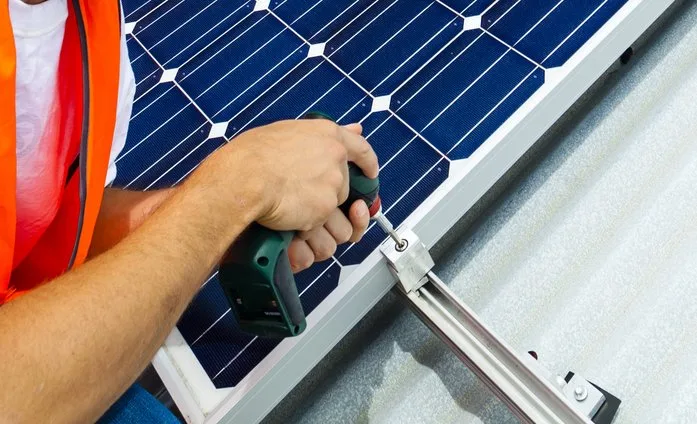
Installing solar on trapezoidal metal roofs requires unique screws that are carefully torqued to avoid damage. A drive tool accessory makes this process faster and easier.

Benefits

  • Speeds installation time
  • Enables proper screw guidance
  • Prevents overdriving
  • Works with specific electric drivers

How it works:

The tool interfaces with the ER-U-S5.5X25-S12 screws to:

  1. Guide screw correctly to roof hole
  2. Drive screw to proper depth
  3. Stop driver when reaching target torque

Considerations

  • Works for specific screw types and drivers
  • FR tool suits certain hex drive sizes
  • Bit holder required for some drivers
ComponentDetails
Screw typeER-U-S5.5X25-S12
Drive size1/4″ hex
Driver torqueLow (< 3 Nm)

The trapezoidal mounting system are using a drive tool is highly recommended for trapezoidal solar mounts using specialty screws, which have very precise torque requirements. This accessory makes meeting roofing best practices much simpler!

IX. Mounting Brackets

Mounting brackets are a versatile solution for installing solar panels on trapezoidal and corrugated metal roofs. They allow for height-adjustable installation to ensure the panels sit completely flush on uneven sheet metal roofing.

Key advantages of mounting brackets:

  • Fast and direct attachment to the raised seams of the roof with rivets or sheet metal screws
  • Height adjustment enables flat, tension-free panel installation
  • Connections to crossbar adapters simplifies frameless panel installation
  • Made of weather-resistant aluminium
  • Pre-assembled with sealing tape

Components

ComponentDescription
BracketAttaches to the roof seams
Mounting railsLightweight rails to mount panels
Rail connectorsJoin rails with structurally integrity
**Cross adapters **Connect floor rail to panel rail

In trapezoidal mounting system the versatility of mounting brackets makes them an ideal solution for residential and commercial trapezoidal roof solar projects. Their height flexibility and ability to integrate with leading rail and panel systems reduces installation labor and ensures an optimized, secure panel fit. As solar access expands globally, mounting brackets have become a contractor-preferred best practice for metal roof applications.

X. Delta Triangles

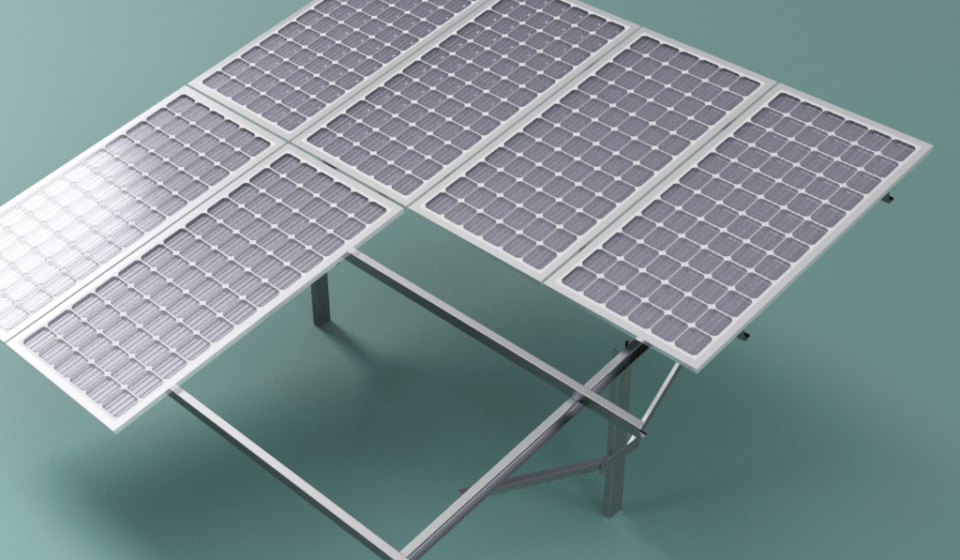
Delta triangles are an exceptional solution for elevated solar panel mounting on trapezoidal and corrugated metal roofs. Their adjustable tilt angle and compatibility with leading rail systems enables optimized solar capture.

Key advantages of delta triangles:

  • Installation at tilt angles from 5° to 45°
  • Position and size of solar array is variable
  • Orientation towards eaves or verge possible
  • Ideal even for small, 1-panel systems
  • Low shipping cost due to collapsible design

How Delta Triangles Work

Delta triangles have a triangular frame that sits atop roof seams, secured directly using sheet metal screws. The triangles pivot to adjust tilt angle to the ideal degree for solar exposure.

Trapezoidal sheet metal rails then attach to connect the triangle to the roof seem. The panels themselves mount to the rails using end clamps and mid clamps.

Cross adapters join the upper rail to the triangle base, enabling a secure structural connection.

Components

ComponentDescription
Delta triangleAdjustable tilt mount
Sheet metal railAttaches triangle to roof
Mounting railsSecure solar panels
Rail connectorsJoin mounting rails
Cross adaptersConnect rails to triangle

Applications

Thanks to their flexibility, delta triangles have become a preferred solution for solar mounts on metal roofs of:

  • Warehouses
  • Processing plants
  • Commercial buildings
  • Aircraft hangars
  • Agricultural structures

If there is a either facing issues with shading, angling for max sunlight, or working with curved roofing, delta triangle systems enable customized solar captures for metal roof applications. Their lightweight triangle frames allow cost-effective shipping and hands-free installation.
Advantages of Steel Structures in Solar Mounting by Structura Metal in Aurangabad

Introduction:

In the quest for sustainable energy solutions, solar power has emerged as a frontrunner. An often underestimated aspect of solar installations is the choice of mounting structures. Structura Metal, a pioneering company based in Aurangabad, recognizes the immense potential of steel structures in solar mounting. This article uncovers the advantages of employing steel structures for solar mounting and how they significantly contribute to stability and durability.

Benefits of Steel Structures in Solar Mounting:

1. Enhanced Stability:

Steel structures bring an unmatched level of stability to solar mounting. Their robustness and load-bearing capacity ensure that solar panels remain securely in place even in challenging weather conditions, reducing the risk of damage and enhancing long-term performance.

2. Durability Beyond Compare:

When it comes to longevity, steel reigns supreme. Its resilience against environmental factors such as corrosion, UV radiation, and temperature variations ensures that your solar installation maintains its structural integrity over time.

3. Customizable Design Options:

Steel’s flexibility allows for intricate and tailored designs. Whether you require ground-mounted solar systems or integrated rooftop installations, steel solar racking systems can be customized to fit the unique specifications of your project.

4. Corrosion Resistance:

Structura Metal employs advanced corrosion-resistant coatings on its steel structures. This protection safeguards against rust and deterioration, extending the lifespan of the mounting system and ensuring consistent performance.

5. Sustainability in Action:

Choosing steel structures aligns with sustainability goals. Steel is recyclable, reducing the environmental impact of your solar project. Its durability also means fewer replacements, contributing to a greener energy solution in the long run.

6. Versatility in Applications:

From ground-mounted solar systems to rooftop installations, steel’s versatility accommodates various applications. Whether you’re considering commercial, industrial, or residential projects, steel solar mounts offer adaptability.

Steel vs. Aluminum Solar Mounts:

Steel structures offer numerous advantages over aluminum counterparts:

Strength and Load-Bearing Capacity: Steel’s exceptional strength ensures stability in high-stress conditions, outperforming aluminum in load-bearing capacity.

Longevity: The durability of steel makes it a cost-effective choice in the long run due to reduced maintenance and replacements.

Corrosion Resistance: Properly coated steel is more resilient against corrosion compared to aluminum.

Customization: Steel’s malleability allows for intricate designs that cater to specific project requirements.

Environmental Impact: Recyclable steel is a sustainable choice compared to aluminum.

Conclusion:

Structura Metal’s emphasis on steel structures for solar mounting presents an array of advantages. The enhanced stability, durability, and customization options that steel brings to solar panel installations are truly remarkable. As global energy demands evolve and sustainability takes center stage, opting for steel mounting solutions proves to be a smart choice. With its corrosion resistance, load-bearing capacity, and versatile applications, steel structures from Structura Metal pave the way for a stable and enduring solar future.

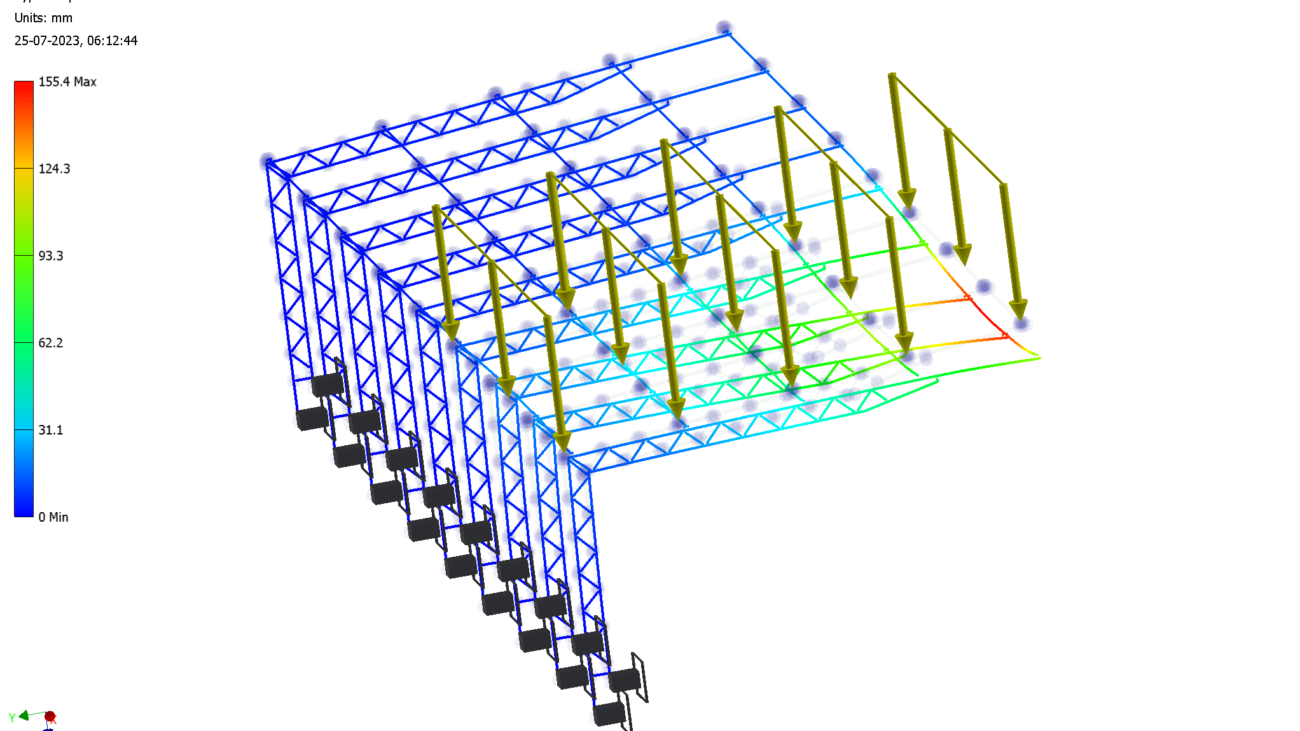
Solar Carport Frame Displacement Analysis

Structural Analysis for Solar Mounting Structures: Ensuring Safety and Stability

Solar mounting structures are the foundation of any solar power plant, and as such, their design, manufacturing, and installation must be done with the utmost care and attention to detail. One of the most critical elements of solar mounting structure design is structural analysis. This process involves analyzing the proposed structure to ensure that it can withstand the loads and forces it will be subjected to throughout its lifetime. In this blog, we will explore the importance of structural analysis for solar mounting structures and how it helps ensure safety and stability.

Why is structural analysis important for solar mounting structures?

Solar mounting structures are exposed to a variety of loads and forces, including wind, snow, and seismic activity. These loads and forces can cause the structure to deform, crack, or even collapse if the structure is not designed and manufactured to withstand them. Structural analysis is a critical step in the design process that helps to ensure that the proposed structure will be able to withstand these loads and forces without failure.

What are the different types of structural analysis?

There are several different types of structural analysis that can be used to evaluate solar mounting structures, including linear and nonlinear analysis, static and dynamic analysis, and linear and nonlinear buckling analysis.

Linear and nonlinear analysis: Linear analysis assumes that the structure’s behavior is linear and predictable, while nonlinear analysis takes into account the nonlinear behavior of the structure, such as buckling and plastic behavior.

Static and dynamic analysis: Static analysis assumes that the structure is in a state of equilibrium, while dynamic analysis takes into account the effect of time-varying loads and forces.

Linear and nonlinear buckling analysis: Linear buckling analysis assumes that the structure will buckle in a predictable and linear manner, while nonlinear buckling analysis takes into account the nonlinear behavior of the structure during buckling.

Which type of structural analysis is best for solar mounting structures?

The type of structural analysis that is best for a solar mounting structure will depend on the specific loads and forces that the structure will be subjected to. For example, if the structure will be exposed to high winds, dynamic analysis may be required. Similarly, if the structure will be located in an area prone to earthquakes, a seismic analysis may be necessary. It is important to consult with a structural engineer to determine the appropriate type of structural analysis for your solar mounting structure.

How is structural analysis conducted?

Structural analysis is typically conducted using computer-aided design (CAD) software. The designer will input the loads and forces that the structure will be subjected to into the software, and the software will then calculate the behavior of the structure under these loads and forces. The software will also generate detailed reports and drawings that the designer can use to evaluate the strength and stability of the structure.

In Conclusion,

Structural analysis is a critical step in the design and manufacturing of solar mounting structures. It helps to ensure that the structure will be able to withstand the loads and forces it will be subjected to throughout its lifetime, and that it will be safe and stable for the life of the solar power plant. By working with a structural engineer, solar power plant designers and manufacturers can ensure that their structures are designed and manufactured to the highest standards of safety and stability.

Structura Solar Mounting System

Introduction to Solar Mounting Structures

Solar Mounting Structures, also known as solar racking systems, are an essential component of any solar energy system. They provide the support and stability necessary for solar panels to function effectively and efficiently. In this report, we will provide an introduction to the basics of solar mounting structures, including the different types of systems available, the materials used to construct them, and the key considerations when designing and installing a solar mounting structure.

Types of Solar Mounting Structures

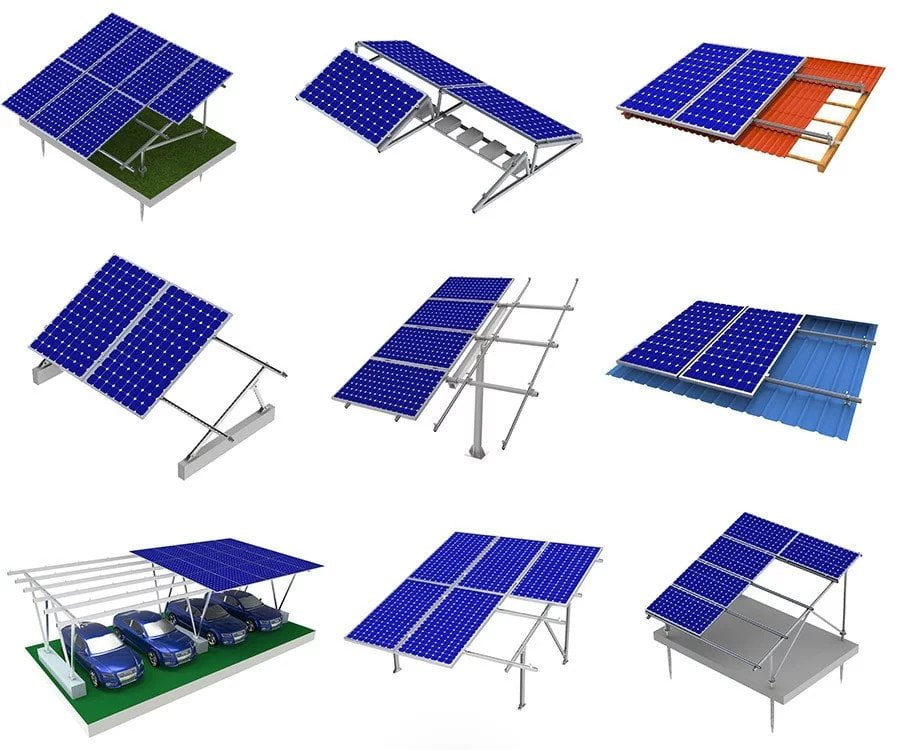
There are several different types of solar mounting structures available, each with their own unique features and benefits. The most common types include:

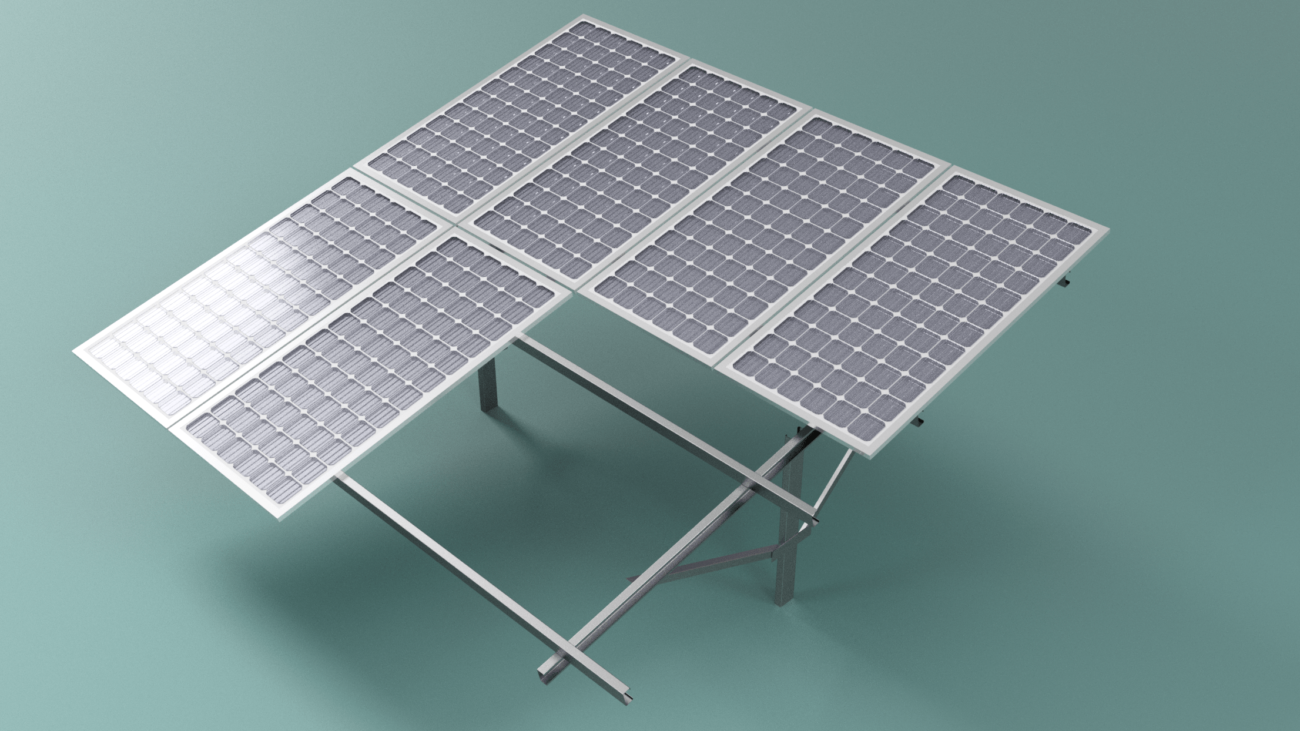
  • Ground-Mounted Systems: These systems are installed directly on the ground and are typically used for large-scale solar projects, such as utility-scale solar farms. Ground-mounted systems are highly customizable and can be designed to meet specific site requirements.
  • Roof-Mounted Systems: These systems are installed directly on the roof of a building and are commonly used for residential and commercial solar projects. Roof-mounted systems are available in a variety of styles, including flush-mounted, ballasted, and penetrating systems.
  • Floating-Mount Systems: As their name suggests, these mounts are designed to float on water, making them ideal for installations on lakes and other bodies of water. Floating mounts are typically constructed of plastic or polymer, and they are designed to securely hold the solar array in place while also allowing for a certain amount of flexibility.

Materials Used in Solar Mounting Structures

The materials used to construct solar mounting structures are typically aluminum, steel, or a combination of both. Aluminum is a popular choice due to its lightweight, corrosion-resistant properties. Steel is also commonly used, particularly for ground-mounted systems, due to its strength and durability. Both materials can be coated with a variety of finishes to protect against weathering and corrosion.

Key Considerations When Designing and Installing a Solar Mounting Structure

When designing and installing a solar mounting structure, there are several key considerations that must be taken into account. These include:

  • Site conditions: The solar mounting structure must be designed to withstand the specific site conditions, such as wind, snow, and seismic activity.
  • Load capacity: The solar mounting structure must be able to support the weight of the solar panels and any additional equipment, such as inverters and batteries.
  • Orientation and tilt: The solar mounting structure must be oriented and tilted to optimize solar panel performance and maximize energy production.
  • Accessibility: The solar mounting structure must be designed to allow for easy access for maintenance and repairs.

In conclusion, solar mounting structures are an essential component of any solar energy system, providing the support and stability necessary for solar panels to function effectively and efficiently. Understanding the different types of systems available, the materials used to construct them, and the key considerations when designing and installing a solar mounting structure is important for ensuring the success of any solar project.

ezgif-1-13be92a82e

Types of coating used on solar mounting structures

Solar energy is a rapidly growing industry, and the durability and longevity of solar mounting structures are crucial for the efficient functioning of solar power systems. One of the key factors that determine the longevity of solar mounting structures is the type of coating used on them. In this blog post, we will discuss the different types of coatings used on solar mounting structures, their unique properties and the industry standard grading in use.

Anodized coating: Anodizing is an electrochemical process that creates a protective oxide layer on the surface of aluminium. This coating is highly durable, resistant to weathering, and provides excellent insulation. Anodized coatings are often used on aluminium solar mounting structures. AA10 is the common industry standard of anodized coating which is 10 microns thick.

Powder coating: This type of coating is applied as a dry powder and then cured under heat. It is an environmentally friendly process and provides a durable, long-lasting finish. Powder coating is often used for steel and aluminium solar mounting structures.

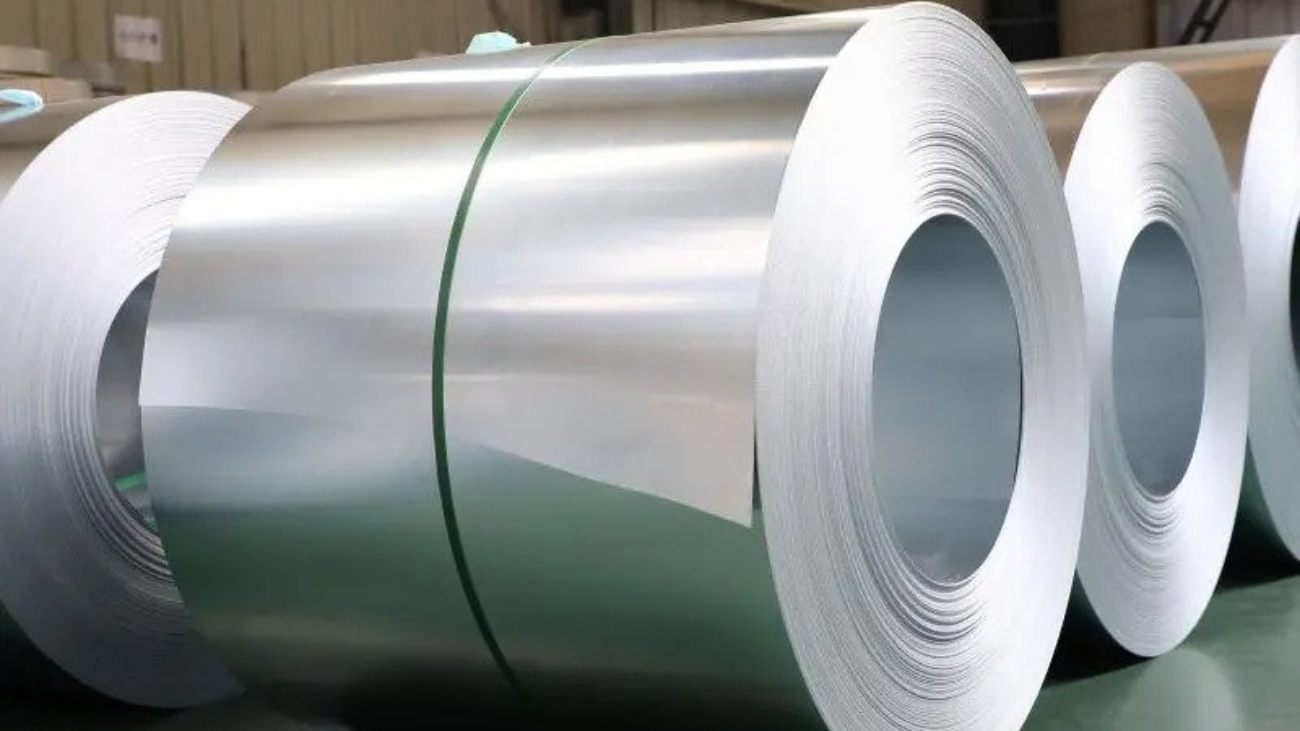
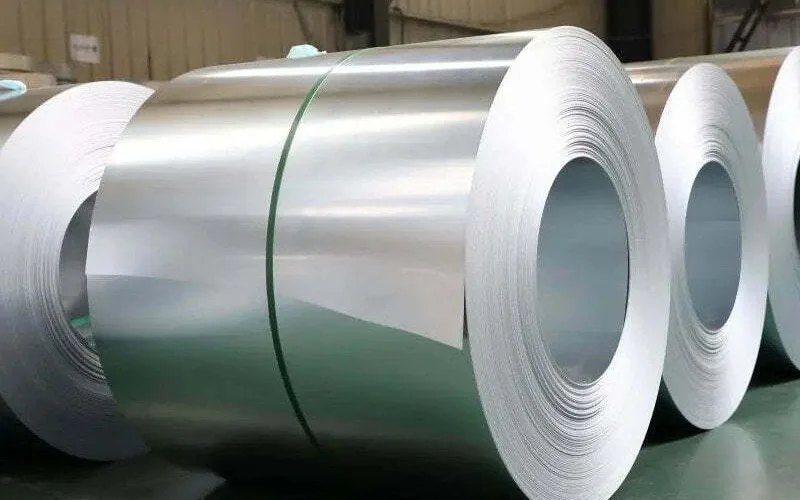
Galvanized coating: This type of coating is used to protect steel from corrosion. Galvanized coatings are available in two forms: electro-galvanized and hot-dip galvanized. Electro-galvanized coating is applied by electroplating zinc onto the steel, while hot-dip galvanized coating is applied by immersing the steel in a bath of molten zinc. Both types of galvanized coatings provide excellent corrosion resistance. Hot rolled sheets with Hot Dip Galvanizing coat ranging from 80 microns to special coating of 120 microns is the industry standard for hot-dip galvanized coating.

Galvalume coating: This type of coating is a type of alloy coating that is composed of a mixture of aluminium, zinc, and silicon. Galvalume coating is highly corrosion-resistant and provides excellent protection for steel solar mounting structures. 150 AZ coating is the industry standard for Galvalume coating.

PosMAC coating: POSMAC coating is a corrosion-resistant product that is 5 to 10 times stronger resistance than that of a normal hot-dip galvanized steel sheet [GI, GI(H)]with the same coating weight. PosMAC has an excellent cross-section corrosion resistance; normal thick plating products can be replaced with this product. The same processing, assembly, and painting process can be applied to PosMAC as one would apply to GI. GP Sheets with coating upto 550 GSM is the industry standard for PosMAC coating.

In conclusion, the type of coating used on solar mounting structures plays a crucial role in determining the longevity and durability of the structures. The use of anodized, powder, galvanized, Galvalume and PosMAC coatings provides excellent protection against corrosion and weathering, ensuring the efficient functioning of solar power systems. It’s important to choose the right coating based on the specific needs and requirements of the project.

All type of solar structure in one set up

Types of solar mounting structures

Solar energy is becoming increasingly popular in India, as the country accelerates its efforts to become a leader in clean energy and reduce its carbon footprint. Solar mounting structures are an essential component of any solar energy project, as they support the solar panels and allow them to capture enough sunlight. There are several different types of solar mounting structures to choose from, each with its own unique features and benefits.


Rooftop Mounts: Rooftop mounts are the most common type of solar mounting structure in India, and are typically used for residential and commercial projects. They are available in both railed and rail-less systems, and are generally attached to the roof with bolts or screws. Railed systems have rails that support the solar panels, while rail-less systems attach the panels directly to hardware connected to the bolts/screws. Rooftop mounts are available in sloped and flat roof versions, and can be used to maximize the amount of sunlight captured.


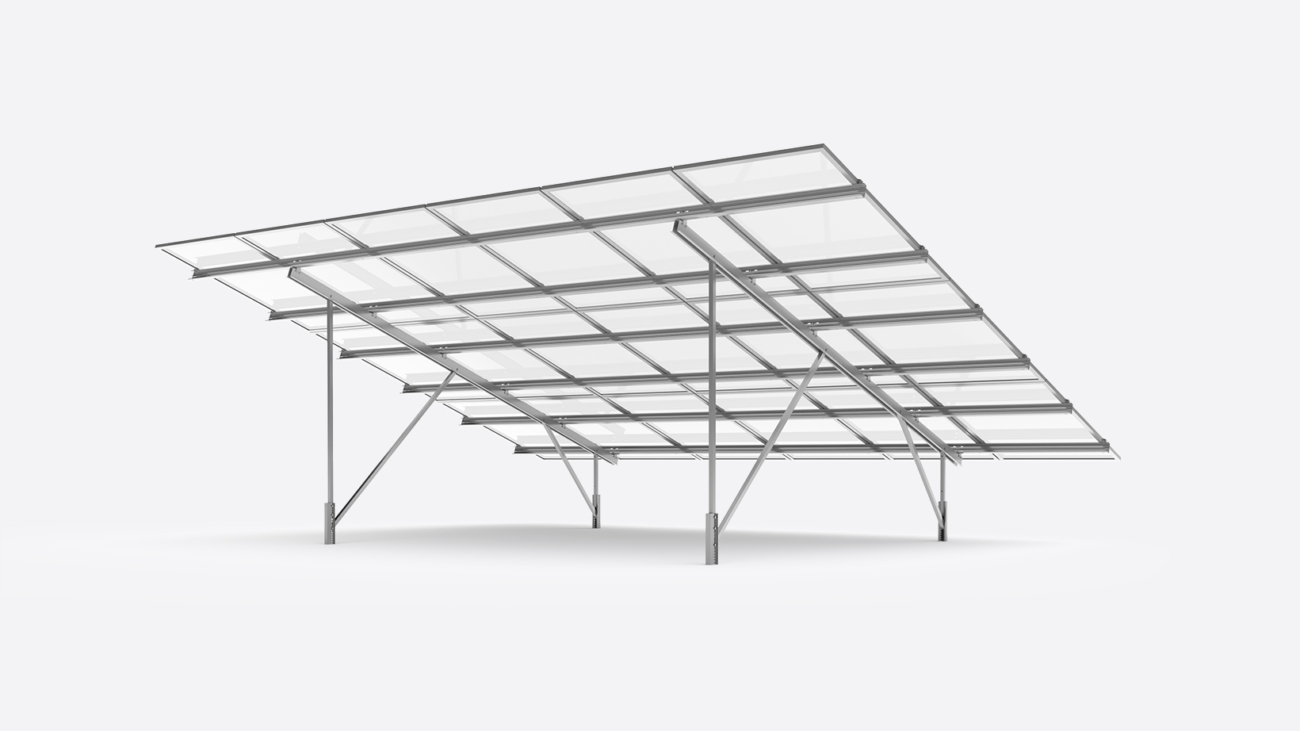
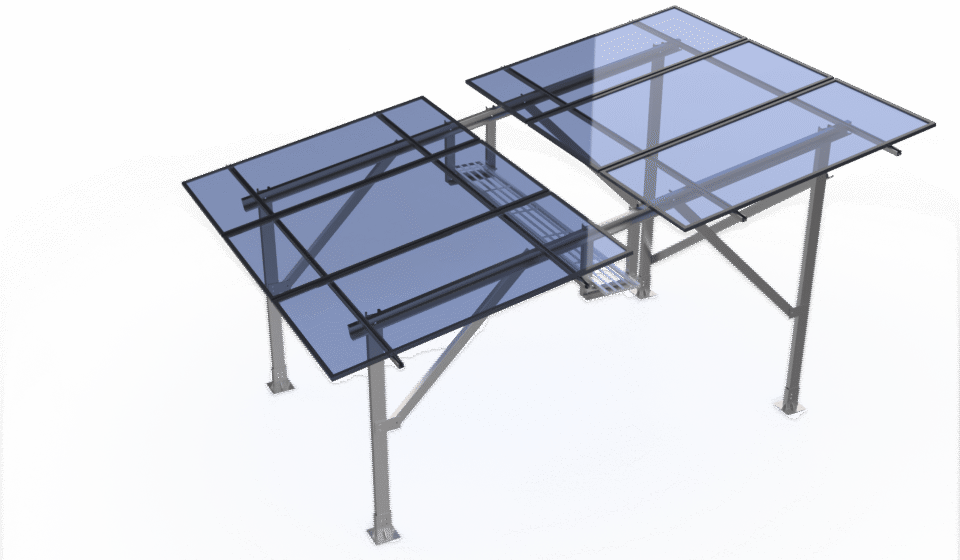
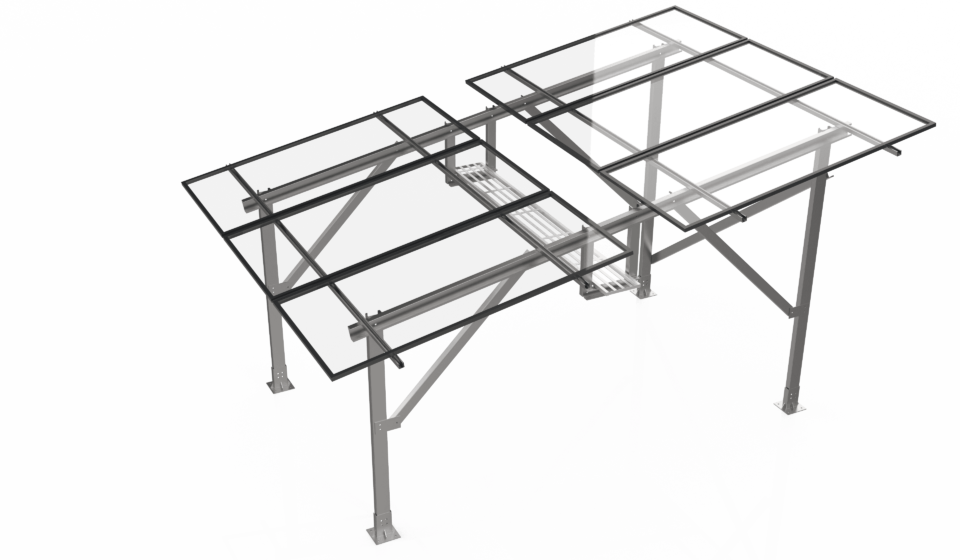
Ground Mounts: Ground mounts are another common type of solar mounting structure in India, and are typically used for larger-scale projects. These mounts are usually constructed of either aluminum or stainless steel, and they are designed to securely hold the solar array in place. Ground mounts can be stationary or adjustable, and they can also be combined with tracking systems to increase the efficiency of the solar array. Ground mounts can further be classified into the following types:

  • Foundation Mount
  • Ballasted Footing Mount
  • Pole Mount
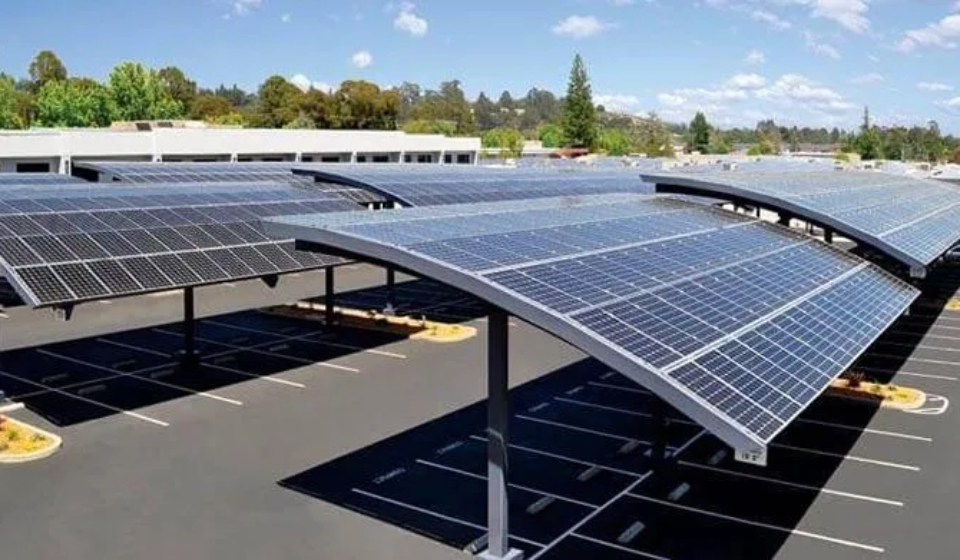
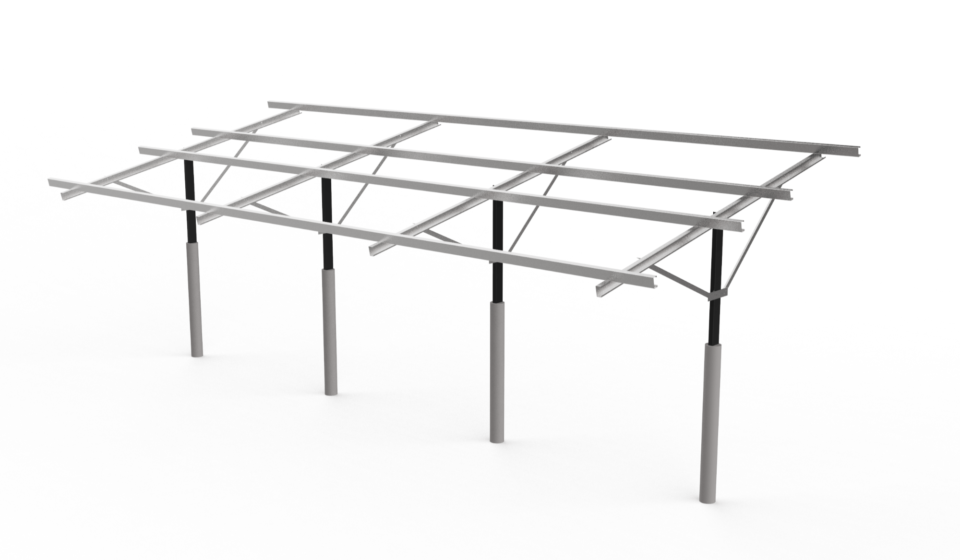
  • Multi Pole Mount (Carports, Sheds)
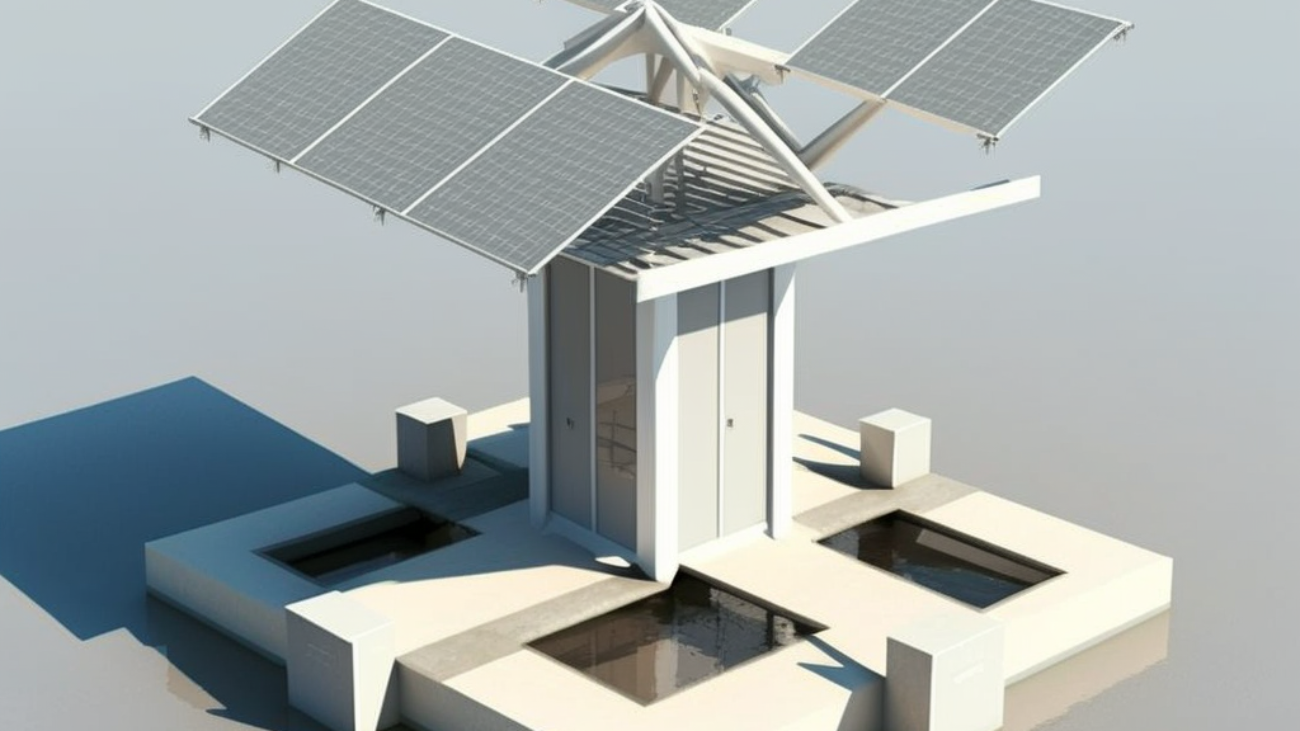
  • Smart Flowers

Floating Mounts: Floating mounts are a relatively new type of solar mounting structure, and they are becoming increasingly popular in India. As their name suggests, these mounts are designed to float on water, making them ideal for installations on lakes and other bodies of water. Floating mounts are typically constructed of plastic or polymer, and they are designed to securely hold the solar array in place while also allowing for a certain amount of flexibility.

In summary, there are various types of solar mounting structures available in the Indian market, each with its own advantages and disadvantages. Ground-mounted structures are best for large-scale projects, roof-mounted structures are more suitable for small-scale projects, and floating structures offer an innovative solution for water bodies. It’s important to consider factors specific to your needs when choosing a solar mounting structure for a project.

P_Sigma-II-profil

Role of solar mounting structures in ensuring stability and efficiency

As the demand for renewable energy continues to grow, solar panel installations are becoming increasingly common on homes and businesses. While solar panels are a reliable and cost-effective source of energy, it’s important to remember that their performance and lifespan are largely dependent on proper installation. This is where solar mounting structures come into play.

Solar mounting structures are the framework that holds the solar panels in place and allows them to capture sunlight effectively. These structures can be ground-mounted, roof-mounted, or even mounted on walls or poles. No matter the type of mounting structure, it’s crucial that it is properly designed, engineered, and installed to ensure the stability and efficiency of the solar panel system.

One of the key benefits of using a solar mounting structure is that it helps to optimize the angle and orientation of the solar panels. By positioning the panels at the right angle and facing the right direction, you can maximize the amount of sunlight they capture and, in turn, increase the efficiency of the system. Solar mounting structures also play a critical role in protecting the panels from wind, snow, and other weather-related hazards. Without a proper mounting structure, the panels could become damaged or even come loose, causing significant damage and costly repairs.

In addition to ensuring the stability and efficiency of the solar panel system, proper solar panel installation is also important for safety reasons. Incorrect installation can lead to accidents or injuries, such as falls from roofs or electrocution. By using a professionally designed and installed solar mounting structure, you can ensure that your solar panel system is safe and compliant with local building codes.

In summary, proper solar panel installation is essential for maximizing the performance and lifespan of your solar panel system. Solar mounting structures play a vital role in this process, providing the necessary support and protection for the panels while also optimizing their angle and orientation. When choosing a solar panel installation company, be sure to look for one that uses high-quality mounting structures and has a proven track record of successful installations.